


US extends waiver on Russian oil
 Rabbia Zafar
|
4 hours ago
Rabbia Zafar
|
4 hours ago
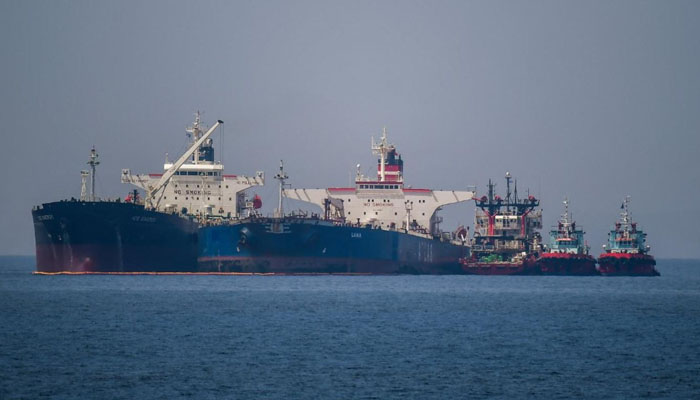
The United States has announced a further one-month extension of its temporary waiver on sanctions related to the purchase and sale of Russian oil, allowing transactions to continue without restrictions until May 16.
According to the US Treasury Department, the decision aims to address ongoing supply shortages in global energy markets. Officials stated that the move is intended to stabilise oil availability and prevent further disruptions amid heightened geopolitical tensions.
The temporary relief allows countries and companies to continue buying Russian crude without facing immediate sanctions penalties during the extended period. Analysts believe the decision reflects Washington’s balancing act between maintaining pressure on Moscow and ensuring stability in international energy markets.
Global oil supplies have faced volatility in recent months due to conflicts and supply chain disruptions, prompting concerns about rising prices and potential shortages. By easing restrictions temporarily, the US hopes to maintain steady flows of crude oil and avoid further economic strain on importing nations.
This is not the first time such a waiver has been introduced. Previously, the US had lifted sanctions on Russian oil for a month, but those restrictions were reinstated on April 11 after the initial exemption expired.
Energy experts suggest that repeated short-term waivers indicate ongoing uncertainty in the global oil market. While sanctions remain a key tool in US foreign policy, adjustments like these highlight the practical challenges of enforcing them without impacting global supply chains.
The development underscores the complex dynamics of international energy politics, where economic needs often intersect with strategic objectives. Observers say further extensions or policy shifts may depend on future market conditions and geopolitical developments.
Shehbaz Sharif joins Erdogan and Qatar emir in Antalya trilateral talks
Reports claim second us iran talks may be held in pakistan
Nabatiyeh residents mourn after deadly strike as Lebanon ceasefire begins

Trump says UFO file review uncovered ‘interesting’ documents
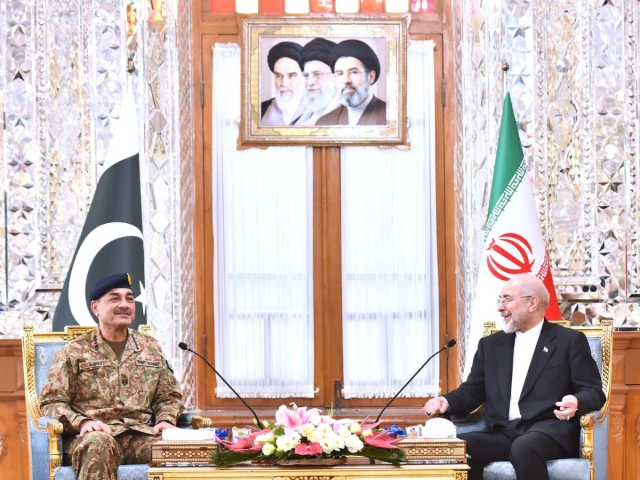
Pakistan military and interior leadership conclude high-level Iran visit
Pakistan launches national medical tourism initiative to attract international patients
Pakistan name four uncapped players in squad for Bangladesh test series
Tehran and Sana’a see large rallies amid regional solidarity


12 minutes ago

25 minutes ago

34 minutes ago

45 minutes ago

1 hour ago

1 hour ago
- Residents of the southern Lebanese city of Nabatiyeh are grappling with the aftermath of a deadly airstrike that flattened a…
- Former US President Donald Trump has said that a government review of UFO-related material has uncovered a number of “very…
 Large public gatherings were held in Iran and Yemen as demonstrators expressed political solidarity with regional leadership and allied movements.…
- Tensions between the United States and Iran escalated again on Saturday as President Donald Trump said the US may continue…
 A shocking report by BBC has triggered nationwide outrage in Pakistan after alleging severe medical malpractice at a Tehsil Headquarter…
 Pakistan’s second National Anti-Polio Campaign of 2026 is continuing across the country with full momentum, as health workers aim to…
 A new case of monkeypox has been reported in Karachi, raising fresh concerns among health authorities in the city. According…
 Olivia Munn has spoken about her experience battling breast cancer, highlighting the crucial role her husband, John Mulaney, played throughout…





- Prime Minister Muhammad Shehbaz Sharif participated in a trilateral meeting…12 minutes ago
- An American television network, citing Iranian sources, has reported that…25 minutes ago
- Residents of the southern Lebanese city of Nabatiyeh are grappling…34 minutes ago
- Former US President Donald Trump has said that a government…45 minutes ago